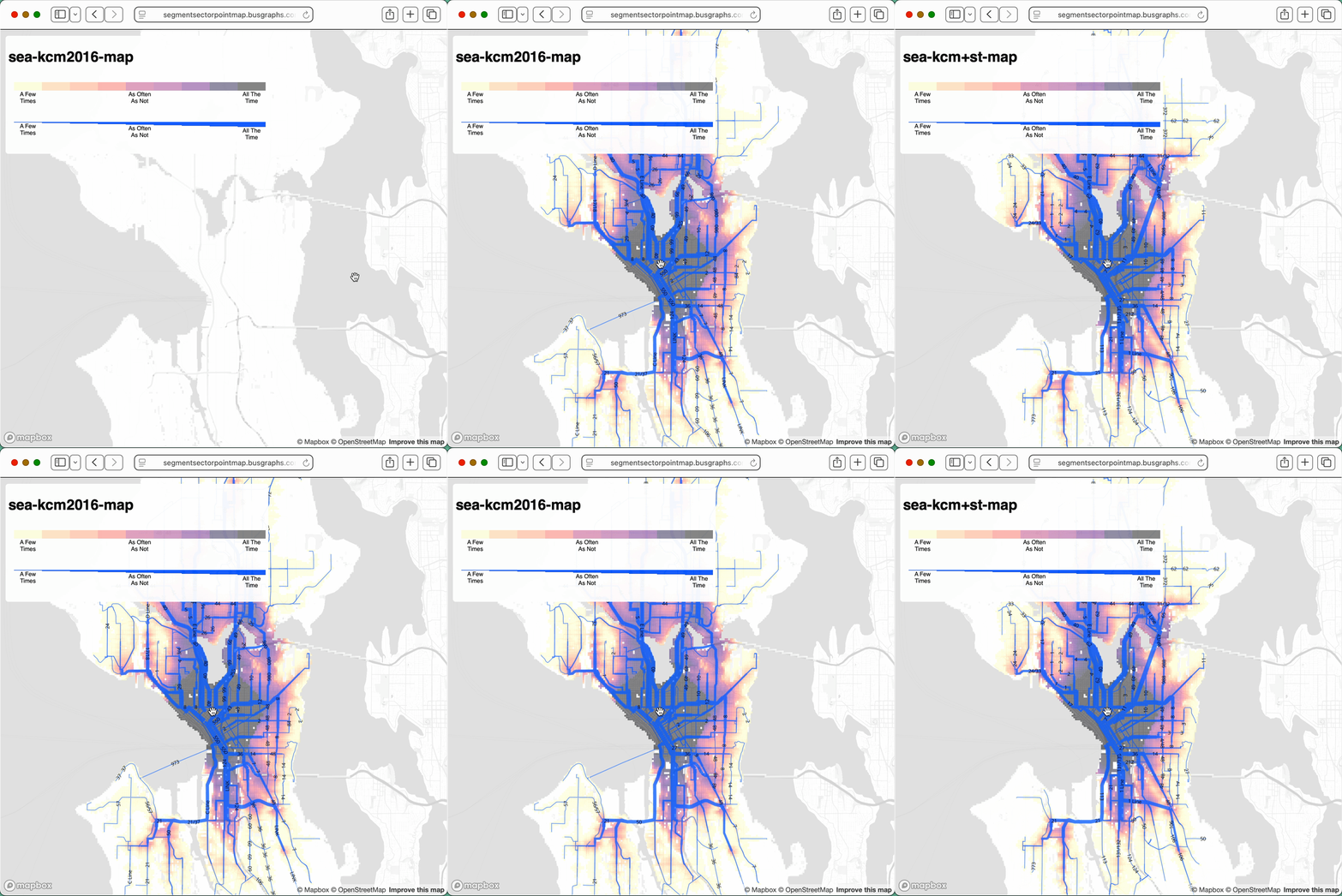
As a transit rider in Seattle, ten years ago was an exciting time. The expansion of the Link light rail to Capitol Hill and the University of Washington portended significant changes to King County Metro’s bus network. This was coinciding with my transition from a passive rider to someone interested in the design of public transit networks.
Back then, I began to appreciate access maps as useful for making comparisons when public transit networks are in flux. These same maps can also look backward to see how access has changed over time. I recently built three styles of sector-centered comparative access maps that use arf’s outputs, and will demonstrate them by comparing Seattle’s present day transit service to that which existed just before the University Link extension opened.
The first map uses a diverging color scheme to show the change in the number of times of day one can reach destinations, within a 30-minute time budget, from an origin at the cursor. The origin point can be locked in place by clicking, and released by clicking again.
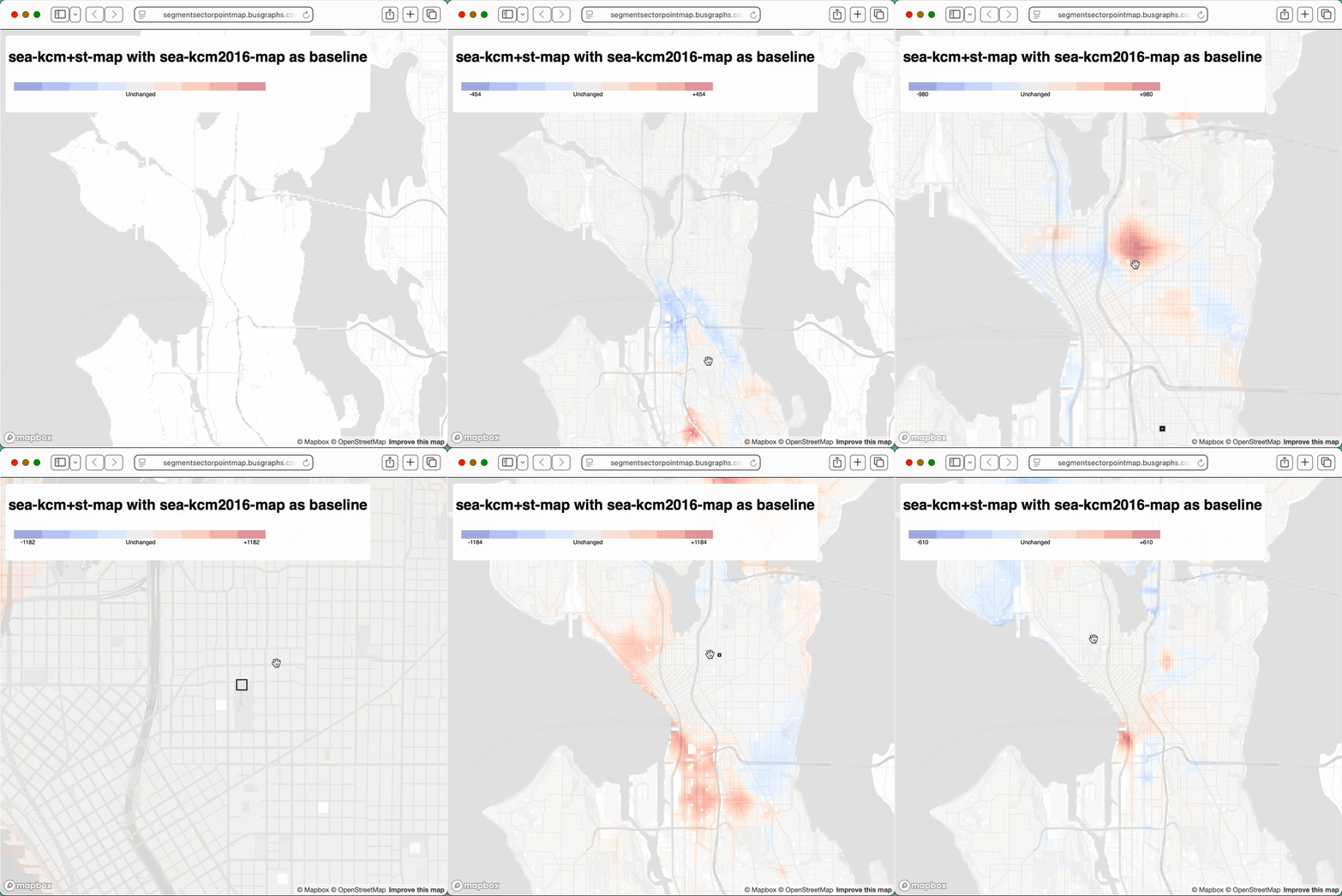
I have produced maps like this before, and find them somewhat unsatisfactory. While they show change, they do not provide context. They may show that an area is no longer reachable at as many times of day, but they do not indicate whether that reduction is from many times to fewer, or from a few times to none.
The next style of map provides this context, but, in exchange, forces the user to compare locations manually. Two maps are displayed side by side and locked together, so that access for the same origin point is displayed on both. Like the previous map, the origin point can be locked and unlocked by clicking.
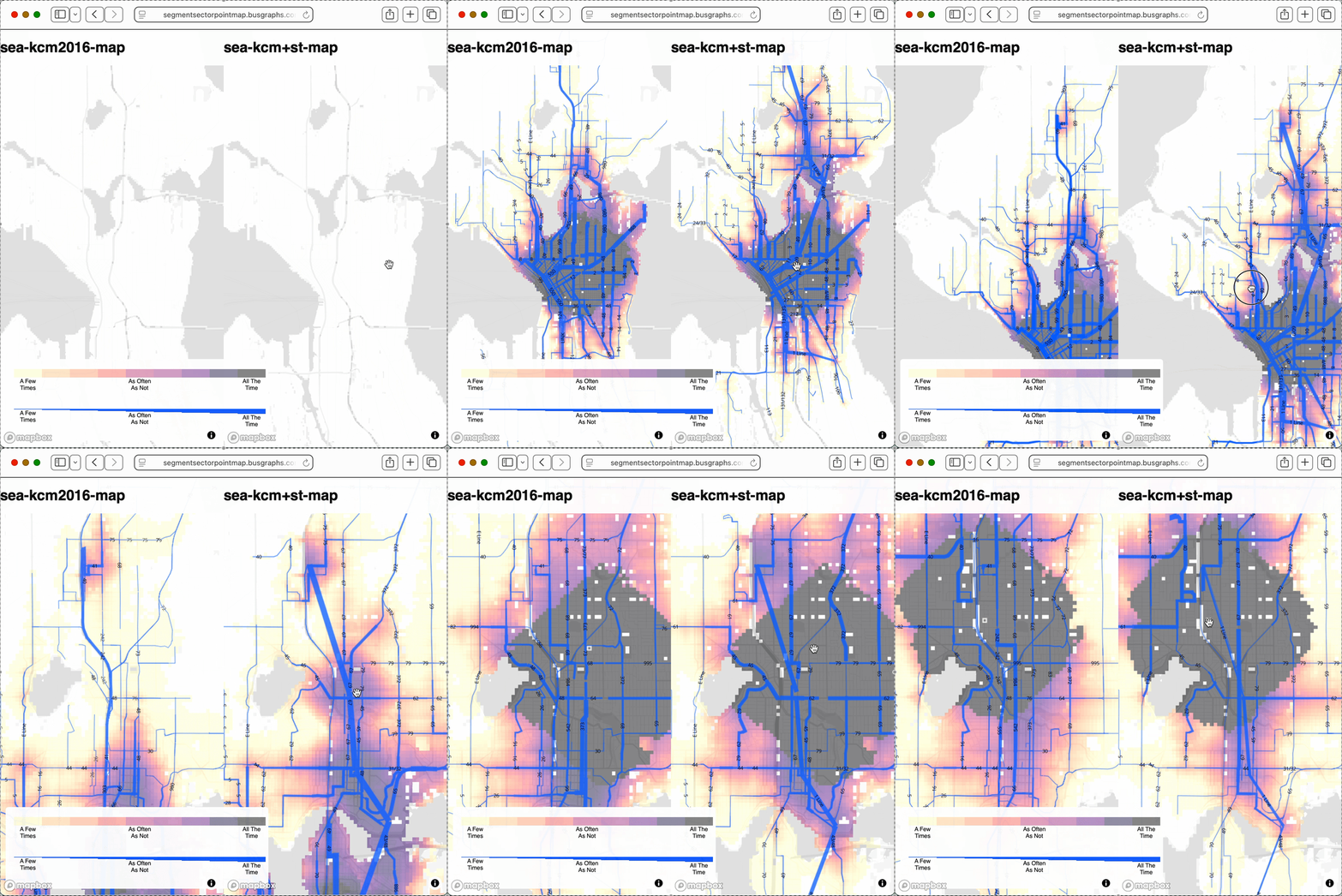
This map has the additional advantage of displaying route segments to show how the access is created. This is useful in this case because parts of King County Metro’s bus network looked very different than they did ten years ago!
The final map does not appear to be a comparative map at first. Clicking the mouse does not only lock the origin, it causes the map to blink between the two access calculations.